A Complete Guide to Pakistan’s Richest Karahi Dish
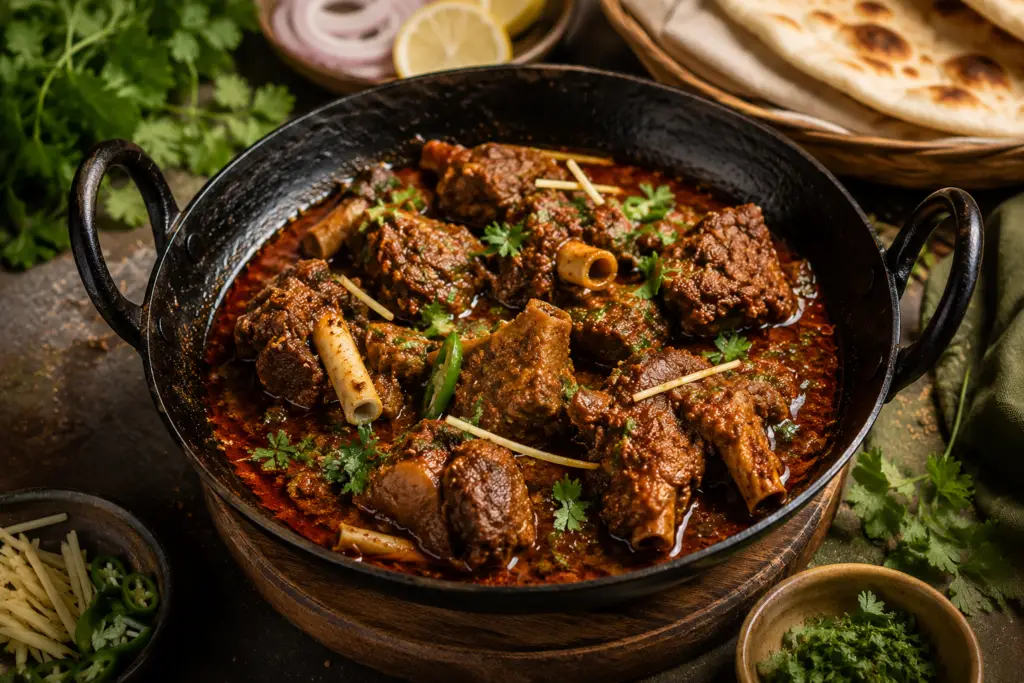
This is a traditional Pakistani dish made from the meat of a fat-tailed sheep, cooked in a wok-like pan called a karahi. The dish is known for its rich, thick gravy, created as the sheep’s natural fat renders into the sauce during slow cooking. It’s most commonly associated with Lahori and Punjabi cuisine, and is considered a richer, more indulgent alternative to standard mutton or chicken karahi.
What Is Dumba Meat?
Dumba meat comes from a specific breed of fat-tailed sheep, commonly raised across Pakistan and parts of Central Asia. Unlike regular sheep, these animals store significant fat in their tails, which is prized for the flavor and richness it adds to cooked dishes. This fat is the defining ingredient that separates dumba karahi from other karahi types.
How Is Dumba Karahi Different from Regular Karahi?
Regular karahi is typically made with chicken or standard mutton, using vegetable oil or ghee as the primary fat source. Dumba karahi differs in one key way: the fat comes directly from the meat itself. As the dumba meat cooks, its natural fat melts into the gravy, creating a richer, more complex flavor than oil-based karahi preparations.
A full breakdown of these differences is available in this comparison of chicken vs mutton vs dumba karahi.
What Does Karahi Taste Like?
it has a rich, savory flavor with a noticeably thicker, more indulgent gravy than chicken or standard mutton karahi. It is not typically gamey when properly sourced and cooked. The dominant flavor comes from a combination of the meat’s natural richness and traditional Lahori spices, including tomatoes, ginger, garlic, and a blend of regional spices.
Where Does Karahi Come From?
originates from Punjab, Pakistan, with Lahore widely recognized as one of its culinary strongholds. The dish reflects a broader regional tradition of slow-cooked, richly spiced meat dishes. Restaurants like IDK, established in 1985 at Truck Adda, Lahore, have played a role in maintaining and popularizing traditional preparation methods over the decades.
How Is Karahi Typically Served?
traditionally served hot, straight from the karahi pan, often at the center of a shared table. It is commonly paired with:
- Naan or tandoori roti
- Raita (a yogurt-based side)
- Fresh salad
- Lassi or another cold drink
A full pairing guide is available in this post on the best side dishes for dumba karahi.
For general background on the dish’s origins, this overview of karahi as a traditional cooking style is worth a read.
Is this Halal?
Yes, when properly sourced, this is halal. This requires the meat to be prepared according to zabiha halal standards, covering the entire process from slaughter through preparation. More detail on what this involves is available in this guide on halal standards for dumba karahi.
Where Can You Order Dumba Karahi in Lahore?
IDK serves authentic dumba karahi from two locations in Lahore:
- DHA Branch 1 — Main Bedian Road, near Askari 11, Sector 11, DHA Phase 6
- Truck Adda Branch 2 — Plot no. 28, General Truck Stand, Ravi Link Road
Both locations offer dine-in, takeaway, and delivery. For first-time diners, this guide on what to expect trying dumba karahi for the first time offers helpful context before ordering.
📞 Call to order: 03000554535 (DHA Branch 1) or 03004535465 (Truck Adda Branch 2)
Frequently Asked Questions
this is made from the meat of a fat-tailed sheep, cooked in a karahi pan with tomatoes, ginger, garlic, and traditional spices.
No. While both use sheep meat, dumba karahi specifically uses fat-tailed sheep meat, which creates a richer gravy than standard mutton karahi.
Dumba meat, like other red meats, is fine as part of a balanced diet when eaten in moderation.
It is richly spiced, though spice levels can vary depending on preparation and can often be adjusted by the restaurant.
It is halal when the meat is sourced and prepared according to zabiha halal standards.
IDK, with locations near Askari 11 and Truck Adda, is a well-established option for authentic karahi.
Dumba karahi since 1985 real one above all other fake branches