
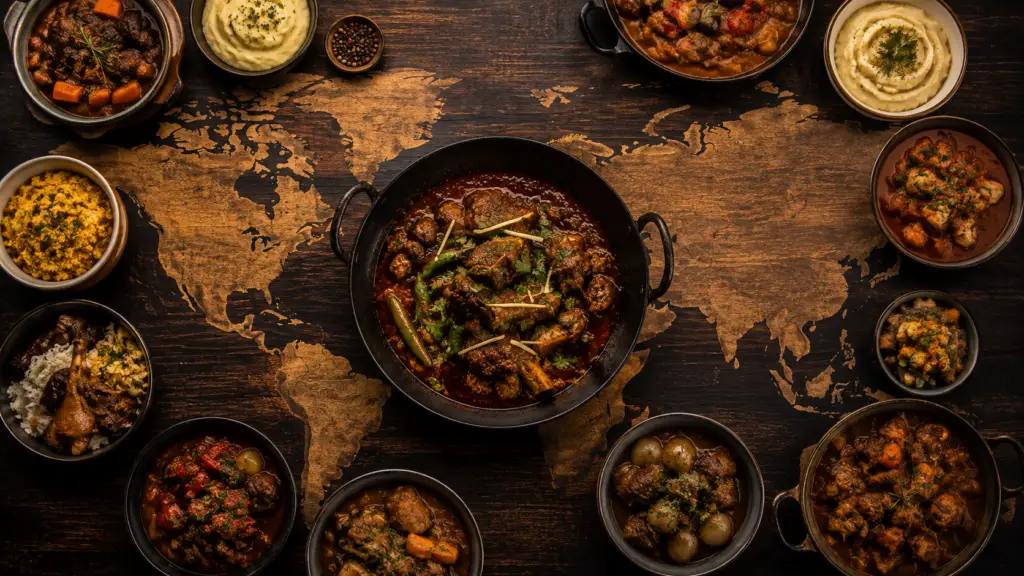
How Dumba Karahi Compares to the World’s Best Slow-Cooked Meat Dishe
Almost every culture has a dish built around slow-cooked meat, low heat, patience, and rich flavor developed over hours rather than minutes. Dumba karahi belongs firmly in that tradition. This post looks at how it stacks up against some of the world’s most celebrated slow-cooked dishes, and what makes it genuinely stand apart.
Why Slow-Cooked Meat Dishes Exist in Almost Every Culture
Long before refrigeration and quick cooking methods existed, slow cooking was often a practical necessity. Tougher cuts of meat needed time and low heat to become tender. Over generations, that necessity turned into tradition, and eventually into some of the most beloved dishes in the world.
Dumba karahi followed a similar path in Lahori cuisine, built around patience and technique rather than speed.
Dumba Karahi vs Texas Brisket
Texas brisket is smoked low and slow for hours, often over 10 to 12 hours, developing a deep smoky flavor and a tender, melt-apart texture. Dumba karahi takes a different route to a similar goal. Instead of smoking, it’s slow-cooked over open flame in a karahi pan, with the meat’s natural fat rendering into the gravy as it cooks.
Both dishes reward patience. Where brisket relies on smoke for depth, dumba karahi relies on spice layering and the meat’s own richness. If you want to understand exactly how that process works, this guide on how dumba karahi is made breaks it down step by step.
Dumba Karahi vs Moroccan Tagine
Tagine, named after the clay pot it’s cooked in, slow-cooks meat with a mix of spices, dried fruits, and vegetables, creating a fragrant, slightly sweet-savory dish. Dumba karahi shares the same commitment to spice complexity, though it leans savory and rich rather than sweet.
Both dishes also share something else: the cooking vessel matters. Just as tagine depends on its clay pot for even heat distribution, dumba karahi depends on the traditional black iron karahi pan to develop its signature texture and flavor.
Dumba Karahi vs Argentine Asado
Asado, Argentina’s iconic barbecue tradition, focuses on grilling meat slowly over wood or charcoal, often as a long, social event rather than a quick meal. Dumba karahi shares that same social, unhurried spirit. It’s rarely eaten quickly or alone. Like asado, it’s meant to be shared around a table, with conversation stretching as long as the meal itself.
If you’re planning to bring people together over a shared meal, this guide on karahi party order in Lahore covers how to plan a proper group gathering around the dish.
Dumba Karahi vs Korean Galbi Jjim
Galbi jjim, a Korean braised short rib dish, slow-cooks meat in a soy-based sauce until it becomes deeply tender and flavorful. Like dumba karahi, it relies on a rich, thick sauce that clings to the meat rather than a dry preparation. The two dishes come from completely different culinary traditions, yet both prove the same point: slow cooking with a well-developed sauce consistently produces deeper flavor than quick methods ever could.
What Makes Dumba Karahi Stand on Its Own
While these comparisons highlight shared principles, dumba karahi has something the others don’t: the natural richness of dumba meat itself. Few slow-cooked dishes worldwide use fat-tailed sheep meat, which gives dumba karahi a flavor profile that’s genuinely difficult to replicate with any other ingredient.
If you’re still deciding between meat types before ordering, this comparison of chicken vs mutton vs dumba karahi explains exactly how dumba differs from more familiar options. For general background on the dish’s origins, this overview of karahi as a traditional cooking style is also worth a look.
Taste the Tradition for Yourself
Reading about slow-cooked traditions from around the world is interesting, but tasting Lahore’s own contribution to that tradition is better. Dumba karahi holds its own against dishes with far bigger international reputations, and it’s available right now.
📞 Call now: 03041114535 (DHA Branch 1) or 03004535465 (Truck Adda Branch 2) 📍 Dine-in, takeaway, or delivery available near Askari 11, DHA Phase 6, and Truck Adda, Lahore
Frequently Asked Questions
It shares the slow-cooking principle with dishes like Texas brisket, Moroccan tagine, and Korean galbi jjim, though each uses different techniques and flavors.
The natural richness of dumba meat itself, which isn’t commonly used in other global slow-cooked traditions.
The cooking time is generally shorter than a 10-12 hour smoke, but it still requires patience and proper slow cooking over open flame.
Yes, it’s traditionally meant to be shared, making it well suited for group meals and gatherings.
Yes, this comparison of chicken vs mutton vs dumba karahi is a good starting point.