
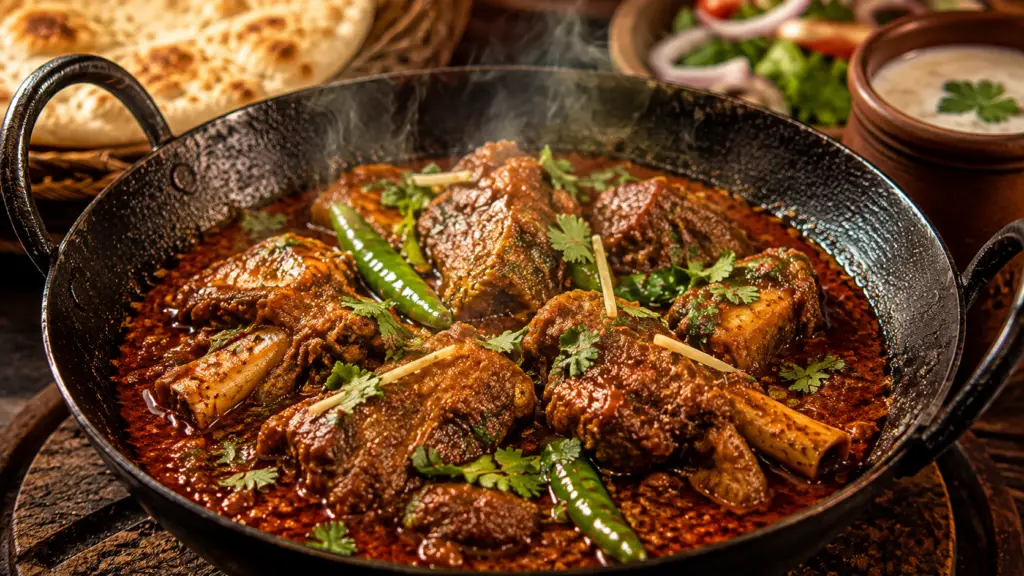
Myths About Dumba Meat You Should Stop Believing
Dumba meat gets talked about a lot, but not always accurately. Some people avoid it entirely based on assumptions they’ve never actually tested. Others order it once, based on a bad experience elsewhere, and write it off completely. This post separates the myths from the facts, so you can make a decision based on reality, not rumors.
Why Dumba Meat Has a Reputation Problem
Dumba meat is less common on everyday menus than chicken or mutton. That unfamiliarity creates space for assumptions to spread, often based on secondhand opinions rather than firsthand experience. Once a myth gets repeated enough times, it starts sounding like fact, even when it isn’t.
Let’s go through the most common ones.
Myth 1: Dumba Meat Is Too Fatty to Be Enjoyable
The myth: Dumba meat is mostly fat, making it heavy and unpleasant to eat.
The fact: Dumba meat does contain natural fat, particularly from the tail, but this fat is exactly what gives the dish its rich flavor when cooked properly. A skilled kitchen balances the fat-to-meat ratio carefully, so the result is flavorful rather than overwhelming. Poorly prepared dumba karahi can feel heavy, but that’s a preparation issue, not a fault of the meat itself.
Myth 2: Dumba Meat Tastes Gamey or Unpleasant
The myth: Dumba meat has a strong, gamey taste that most people won’t enjoy.
The fact: When sourced fresh and cooked using proper traditional methods, dumba meat doesn’t taste gamey at all. It has a rich, deep flavor that’s more intense than chicken but smoother than many people expect. A gamey taste usually points to poor sourcing or improper preparation, not the meat’s natural characteristics. If you’re curious what a properly cooked plate should taste like, this guide on trying dumba karahi for the first time sets realistic expectations.
Myth 3: Dumba Meat Is Unhealthy
The myth: Dumba meat is bad for you because of its fat content.
The fact: Like any rich food, moderation matters, but dumba meat isn’t inherently unhealthy. It provides protein and nutrients similar to other red meats, and the fat content, while higher than chicken, is a normal part of a balanced traditional diet when eaten reasonably. The bigger factor in any meal’s healthiness is usually portion size and overall diet, not one specific ingredient.
Myth 4: Dumba Karahi Is Only for Special Occasions
The myth: Dumba karahi is too rich or expensive for a regular meal, so it should only be ordered for special events.
The fact: While dumba karahi certainly fits celebrations well, plenty of people order it for weekend dinners, lunch breaks, or even a quick weeknight treat. This guide on weekend karahi deals in Lahore and this one on karahi lunch deals in Lahore both show how naturally dumba karahi fits into everyday routines, not just big events.
Myth 5: All Karahi Restaurants Prepare Dumba Meat the Same Way
The myth: Dumba karahi tastes roughly the same no matter where you order it from.
The fact: Preparation makes a massive difference. Fresh sourcing, proper marination, and slow cooking over open flame all affect the final result significantly. Restaurants that skip these steps produce a noticeably different, often disappointing dish. This breakdown of how dumba karahi is made explains exactly why the process matters as much as the ingredients themselves.
The Real Story
Dumba meat, prepared properly, is rich, flavorful, and far less intimidating than its reputation suggests. Most of the myths surrounding it come from bad experiences at restaurants that don’t source or cook it correctly, not from any real flaw in the meat itself. If you’ve avoided it based on assumptions, it might be worth giving it a real try.
For general background on halal meat standards, which also apply to dumba sourcing, this overview of halal food practices offers helpful additional context.
Try It and Judge for Yourself
The best way to separate myth from fact is to try it yourself, prepared the right way. Ilyas Dumba Karahi has followed the same traditional, halal-compliant process since 1985, giving you an honest, properly cooked plate to judge on its own merits.
📞 Call now: 03000554535 (DHA Branch 1) or 03004535465 (Truck Adda Branch 2) 📍 Dine-in, takeaway, or delivery available near Askari 11, DHA Phase 6, and Truck Adda, Lahore
Frequently Asked Questions
Both are red meats with similar nutritional profiles. Dumba meat has more natural fat, which affects flavor more than overall health when eaten in moderation.
Sourcing quality, marination time, and cooking method all vary between restaurants, leading to noticeably different results.
Yes, like any rich food, it’s fine as part of a balanced diet eaten in reasonable portions.
No, gamey flavor usually results from poor sourcing or preparation, not the meat’s natural taste.
Yes, it works well for everyday meals, including lunch, weeknight dinners, and weekend gatherings.
Fresh, halal-sourced meat and a traditional slow-cooking process, maintained consistently since 1985.